Understanding what type of claim you need to make
The type of claim you need to make will vary based on the policy type, as well as the type of incident you’re dealing with.
You’ll be dealing with a public liability claim if a member of the public has become injured or had property damaged as a result of your business’s activities. This could be that an individual has tripped over your display at a craft fair, or you damage some nearby equipment whilst setting up your stall at a farmers market.
A product liability claim occurs when a customer becomes injured by your product. This could be that a sharp edge pokes or spikes somebody, or a faulty candle leads to a fire.
You might need to make an employer’s liability claim if an employee or volunteer gets injured whilst helping you in your workshop or at an event.
When you need to contact your insurer to make a claim for your craft business

In terms of public, product, or employer’s liability claims, you’ll generally need to contact your insurer every time an issue arises which you believe might lead to a claim against you. Initially, your first contact with the insurer may not officially be to ‘make a claim,’ rather simply to notify them that an incident has occurred, and a claim may be coming.
Then, if you are faced with legal action, you can begin the claims process having already provided context and information of the incident. This means your insurer will be better prepared to handle the situation and deal with the claim.
The best approach to making a claim or notifying your insurer is to do so as soon as possible following any incident. Worst case, no action is taken against you, and you can simply withdraw your claim.
How does the craft insurance claims process work?

The craft insurance claims process can be confusing and daunting, especially when you don’t know what the process is upfront.
- The first step is to immediately notify your insurer or claims manager once an incident occurs. This is generally through an online claims form or by ringing a dedicated number. You should aim to give as much detail and information as possible about the incident; what happened, when it happened, the date/time of incident, and your policy number too.
- Next, you’ll usually be assigned a claims manager, who will assist you in collating evidence such as witness contact details, or correspondence from the injured or affected party.
- From here, an investigation is conducted to review your claim against policy terms before a final decision is made regarding whether the insurer accepts your claim, and calculates a settlement if you’re successful.
The benefit of working with a dedicated craft insurer, such as CraftCover, is that we’ll help to manage your claim every step of the way. You can rest assured that your case will be handled promptly and fairly.
Does your craft insurance cost go up once you make a claim?
In most cases, you can expect to see your craft insurance premiums increase following a claim, because insurers will now view you as a higher risk individual/business. However, this rise in price usually won’t be immediate, rather you’ll see prices go up when it’s time to renew your policy.
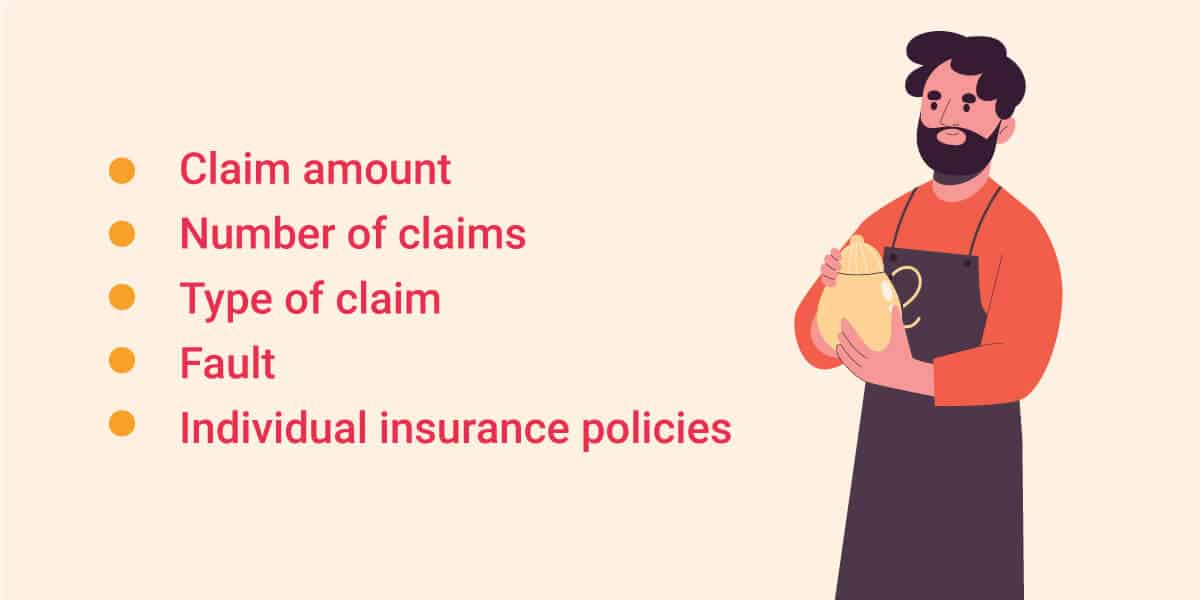
There are several factors which may influence this increase in premiums, including:
- Claim amount
- Number of claims
- Type of claim
- Fault
- Individual insurance policies
Despite the risk of rising premium prices, it’s still important that you’re fully honest with your insurer about every incident which occurs. Failure to do so could even lead to your policy becoming invalid.
To discuss your craft insurance options, get in touch with CraftCover today.
Contact CraftCover for Bespoke Cover