Knowing the price in your craft niche
Understanding the going rate in your craft niche is important because it gives insight into what your competitors are charging, which serves as a rough guide of what you can expect to be able to sell for.
The price in your craft niche will be linked to the cost of materials, labour time, overhead expenses and more. Naturally, some niches will have higher profit margins than others.
Get in Touch With CraftCover to Learn More
Calculating base costs of handmade crafts: Materials, equipment and labour
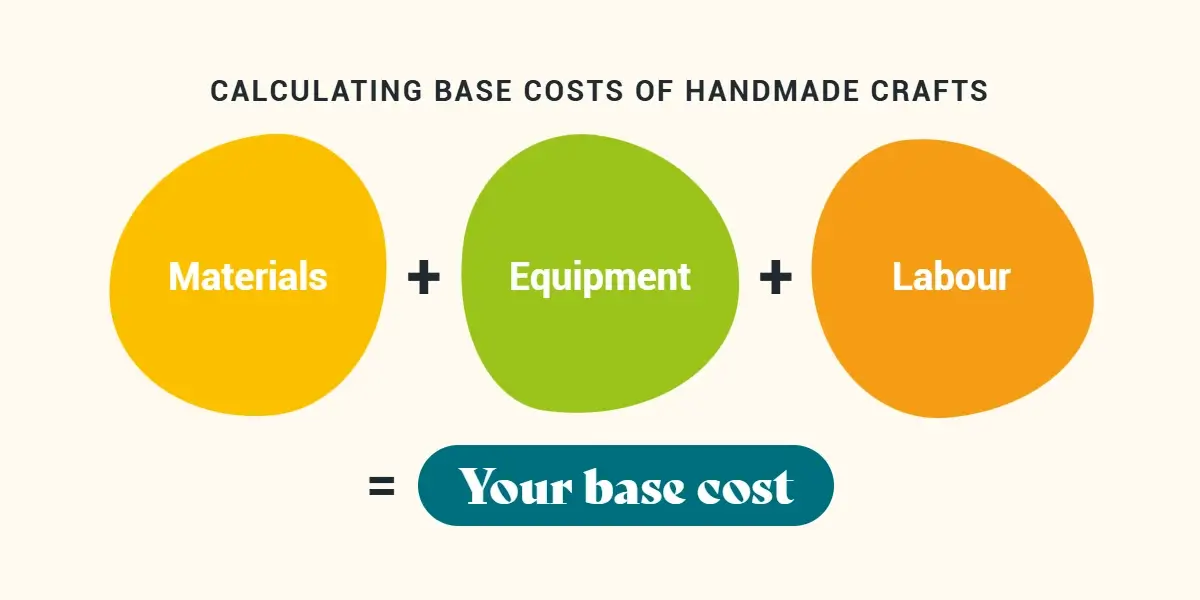
Materials are usually the easiest cost to work out, since you simply add up what you spent on the raw supplies used for each item. Keep receipts and track exact quantities, even small amounts of thread, glue or paint, as these add up across a full run of products.
Equipment costs are trickier, since tools like sewing machines, kilns or laser cutters are bought once but used many times. Work out the total cost of the equipment, divide it by how many items you expect it to produce over its lifetime, and add that per item figure to your price. It’s also worth insuring your tools and equipment against damage or theft, so a single incident doesn’t wipe out your investment.
Labour is often the most overlooked cost. Decide on a realistic hourly rate for your time, then multiply this by how long each item takes to make, from prepping materials to packaging the finished piece. Many crafters undervalue their own labour, which makes the business unsustainable in the long run.
Once you’ve totalled materials, equipment and labour, you’ve got your base cost, the foundation of your pricing structure, and it should always cover more than just what you spent to make the item.
Other costs involved in selling handmade crafts
There are a number of additional costs involved in selling handmade crafts which all need to be factored into your pricing structure.
During crafting
On top of materials and equipment used to create your crafts, there are workspace costs, potential software used (for digital art business for example), employee costs (if applicable), and employers’ liability insurance.
Selling in person
Selling your creations in person, whether it’s behind a physical storefront, at farmers markets, craft fairs or wherever else, means you’ll need a comprehensive public liability insurance plan. This form of insurance covers the cost of claims made by members of the public for incidents that may arise from your business’s activities.
You’ll also need to consider event stall fees, travel costs, packaging costs and more.
Selling online
If you plan to sell crafts online, you’ll need to factor in online marketplace fees. Many of these marketplaces, such as:
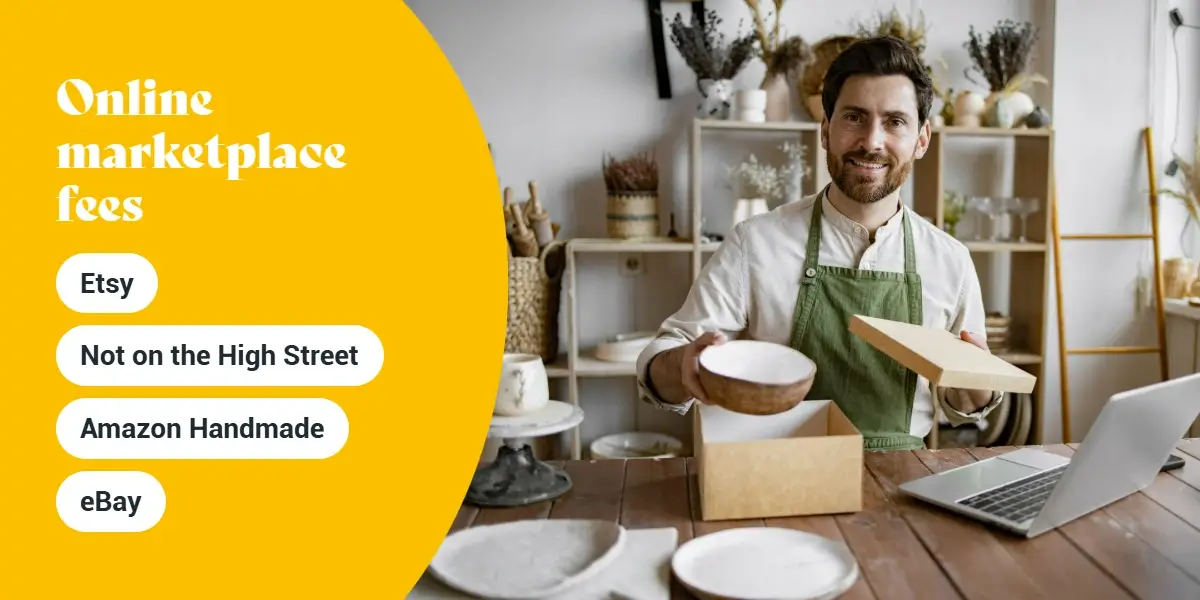
…require sign-up and/or subscription fees, so this needs to be factored into your budgeting too.
On top of this, you’ll want to consider aspects like packaging, shipping and anything else associated with sending your product around the country to buyers.
Get a Craft Insurance Policy
Accounting for unplanned costs
Finally, you need to remember unplanned costs. The aspects that can catch you by surprise and that you can’t plan for, such as returns, breakages, impromptu events and more.
There is no specific ‘right amount’ that you need to put aside for these situations, as it depends entirely on the size of your business, and the issue that you face.
A risk-free way to address this concern is through finding the right comprehensive craft insurance policy, to protect your business from unexpected financial difficulties. The best way to find the right level of coverage is by getting a free, no-obligation quote from CraftCover.